Frequently Asked Questions
Are braces done by an orthodontist?
Yes, braces are typically done by orthodontists. Orthodontists are dental specialists who complete additional years of training focused specifically on correcting teeth alignment and jaw issues. They have the expertise to properly diagnose, plan, and implement orthodontic treatments like braces to achieve optimal results for patients.
Are all orthodontists doctors?
Yes, all orthodontists are doctors. Orthodontists complete dental school to become dentists, then undergo additional specialized training in orthodontics. They earn a Doctor of Dental Surgery (DDS) or Doctor of Dental Medicine (DMD) degree, plus a master's degree in orthodontics, qualifying them as dental specialists.
What is an associate orthodontist?
An associate orthodontist is a licensed dental professional who works alongside or under the supervision of a lead orthodontist in a practice. They perform orthodontic treatments, assist with patient care, and may have a more flexible schedule. Associate positions often serve as stepping stones for newer orthodontists to gain experience before starting their own practices.
How much does an associate orthodontist make?
Associate orthodontists typically earn between $150,000 to $300,000 annually, depending on location, experience, and practice size. Factors like patient volume, specialization, and profit-sharing arrangements can significantly impact compensation. Urban areas and established practices often offer higher salaries compared to rural settings or new clinics.
Are all orthodontists the same?
Not all orthodontists are the same. While they share similar educational backgrounds, individual orthodontists may differ in experience, treatment approaches, technology used, and specializations. Patients should research and consult multiple orthodontists to find one whose expertise and treatment philosophy align with their specific needs and preferences.
Orthodontic what is it?
Orthodontics is a dental specialty focused on diagnosing, preventing, and treating misaligned teeth and jaws. It involves using braces, aligners, and other appliances to gradually reposition teeth, improving both oral function and aesthetic appearance. Orthodontic treatment can address issues like crowding, gaps, overbites, and underbites.
What treatments do orthodontists provide?
Orthodontists provide a range of treatments to correct teeth and jaw alignment issues. These include traditional metal braces, ceramic braces, lingual braces, Invisalign clear aligners, palatal expanders, headgear, and retainers. They also offer specialized treatments like surgical orthodontics and early interventional procedures for children to guide proper jaw development.
How long does orthodontic training take?
Orthodontic training typically takes 2-3 years after completing a 4-year dental degree. This specialized residency program focuses on diagnosing and treating dental and facial irregularities. Orthodontists must then pass board certification exams to become licensed specialists in orthodontics and dentofacial orthopedics.
Can orthodontists perform dental surgery?
Orthodontists typically do not perform dental surgery. While they are dental specialists focused on correcting teeth and jaw alignment, most surgical procedures are handled by oral surgeons. However, orthodontists may collaborate with oral surgeons for complex cases requiring both orthodontic treatment and surgical intervention.
What distinguishes orthodontists from dentists?
Orthodontists are dental specialists who focus on correcting misaligned teeth and jaws. Unlike general dentists, they complete 2-3 years of additional training specifically in orthodontics after dental school. Orthodontists exclusively provide treatments like braces and aligners to straighten teeth and improve bite function.
Do orthodontists specialize in TMJ issues?
Orthodontists often treat TMJ disorders, as they specialize in jaw alignment and bite issues. While not exclusively focused on TMJ, many orthodontists have expertise in diagnosing and managing temporomandibular joint problems through orthodontic treatments, oral appliances, and other interventions aimed at improving jaw function and alleviating TMJ symptoms.
Are orthodontic services covered by insurance?
Orthodontic coverage varies by insurance plan. Many dental insurance policies offer partial coverage for braces and other orthodontic treatments, especially for children under 18. However, adult orthodontics may have limited or no coverage. Check your specific policy details or contact your insurance provider for exact benefits information.
How often should you visit an orthodontist?
Regular orthodontic visits are typically scheduled every 4-8 weeks during active treatment. However, the frequency may vary depending on your specific treatment plan, progress, and any adjustments needed. Your orthodontist will recommend an appropriate schedule to ensure your treatment stays on track and achieves optimal results.
Can orthodontists treat sleep apnea?
Orthodontists can play a role in treating obstructive sleep apnea. They may recommend oral appliances like mandibular advancement devices to reposition the jaw and tongue, improving airflow during sleep. However, severe cases often require collaboration with sleep specialists for comprehensive treatment approaches like CPAP therapy.
What age should orthodontic care begin?
Orthodontic care typically begins between ages 7-14, when most permanent teeth have emerged. However, the American Association of Orthodontists recommends an initial evaluation by age 7 to detect potential issues early. Treatment timing varies based on individual needs, with some children benefiting from early intervention while others may wait until adolescence.
Do orthodontists only fit braces?
Orthodontists do more than just fit braces. They diagnose and treat various dental and facial irregularities, including misaligned teeth and jaws. Their services encompass traditional braces, clear aligners, retainers, and other orthodontic appliances. Additionally, they may perform procedures like tooth extractions and provide guidance on oral health maintenance.
How do orthodontists straighten teeth?
Orthodontists straighten teeth using appliances like braces and clear aligners. These devices apply gentle pressure to gradually shift teeth into proper alignment over time. Treatment plans are customized for each patient based on their unique needs. Regular adjustments and checkups ensure progress towards achieving a straighter, healthier smile.
What technology do orthodontists use?
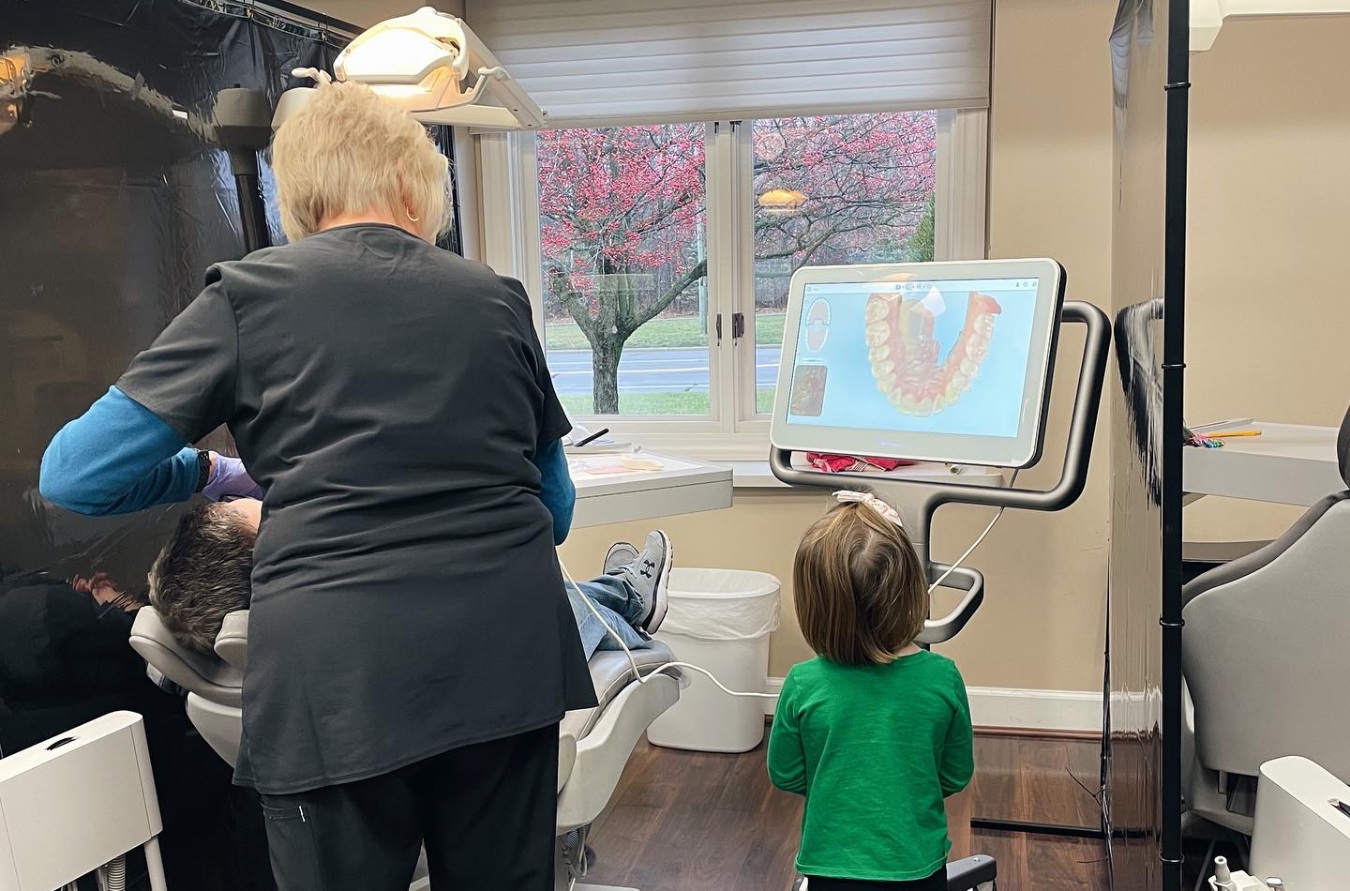
Orthodontists use advanced imaging technology like digital X-rays and 3D scanners to diagnose issues and plan treatments. They employ computer software for treatment simulations and utilize specialized tools like brackets, wires, and aligners. Newer technologies include 3D printing for custom appliances and intraoral scanners for digital impressions.
Can orthodontists fix jaw misalignment?
Yes, orthodontists can treat jaw misalignment. They use various techniques like braces, headgear, or jaw surgery to correct issues such as overbites, underbites, and crossbites. Treatment plans are customized based on the severity of misalignment and may involve repositioning teeth and jaws to improve bite function and facial aesthetics.
Do orthodontists offer teeth whitening?
Some orthodontists offer teeth whitening services, but it's not a standard orthodontic treatment. While orthodontists focus primarily on correcting tooth alignment and bite issues, teeth whitening is considered a cosmetic procedure. Patients interested in whitening should consult their orthodontist or dentist to discuss available options and recommendations.
How do orthodontists diagnose malocclusions?
Orthodontists diagnose malocclusions through a comprehensive examination that includes visual inspection, dental x-rays, photographs, and digital scans or impressions of the teeth and jaws. They assess bite alignment, tooth positioning, jaw relationships, and facial symmetry to determine the type and severity of malocclusion and develop an appropriate treatment plan.
Are orthodontists required to take board exams?
Orthodontists are required to take board exams. After completing dental school and a specialized orthodontic residency program, they must pass the American Board of Orthodontics (ABO) examination to become board-certified. This rigorous process ensures orthodontists have the necessary expertise to provide high-quality orthodontic care.
Do orthodontists provide retainers after braces?
Yes, orthodontists typically provide retainers after braces treatment. Retainers help maintain the new alignment of teeth, preventing them from shifting back to their original positions. Patients usually receive instructions on wearing and caring for their retainers to ensure long-term success of their orthodontic treatment.
Can orthodontists correct overbites and underbites?
Yes, orthodontists can effectively correct overbites and underbites. Using treatments like braces, Invisalign, or other orthodontic appliances, they can gradually shift teeth and jaw alignment to improve bite issues. The specific approach depends on the severity of the malocclusion and individual patient needs.
How do orthodontists handle emergency cases?
Orthodontists handle emergency cases by offering same-day appointments for urgent issues like broken braces, severe pain, or injuries. They assess the situation quickly, provide temporary relief if needed, and perform necessary repairs or adjustments. For after-hours emergencies, many practices have on-call services to guide patients through immediate care steps until they can be seen.
Do orthodontists offer Invisalign treatment?
Yes, many orthodontists offer Invisalign treatment as an alternative to traditional braces. Invisalign uses clear, removable aligners to gradually straighten teeth. Orthodontists are specially trained to provide this treatment option, which can be effective for correcting various orthodontic issues in both teens and adults.
What postgraduate degrees do orthodontists hold?
Orthodontists typically hold a Doctor of Dental Surgery (DDS) or Doctor of Dental Medicine (DMD) degree, followed by a 2-3 year accredited orthodontic residency program. This specialized training results in a master's degree or certificate in orthodontics, qualifying them as orthodontic specialists.
Can orthodontists treat cleft palate issues?
Orthodontists can play a crucial role in treating cleft palate issues as part of a multidisciplinary team. They help align teeth, correct jaw discrepancies, and improve bite function in patients with cleft palates. Treatment often involves braces, palatal expanders, and close collaboration with oral surgeons and speech therapists for comprehensive care.
Do orthodontists collaborate with oral surgeons?
Orthodontists often collaborate with oral surgeons for complex cases requiring both orthodontic treatment and surgery. This partnership ensures comprehensive care for issues like severe malocclusions, jaw discrepancies, or impacted teeth. The orthodontist and surgeon work together to plan and coordinate treatment, optimizing outcomes for patients with challenging orthodontic and surgical needs.
How do orthodontists update their skills?
Orthodontists update their skills through continuing education courses, attending conferences, reading professional journals, participating in hands-on workshops, and collaborating with colleagues. They stay current on new technologies, treatment techniques, and research developments in orthodontics. Many also pursue additional certifications or advanced training to expand their expertise and offer the latest treatment options to patients.